
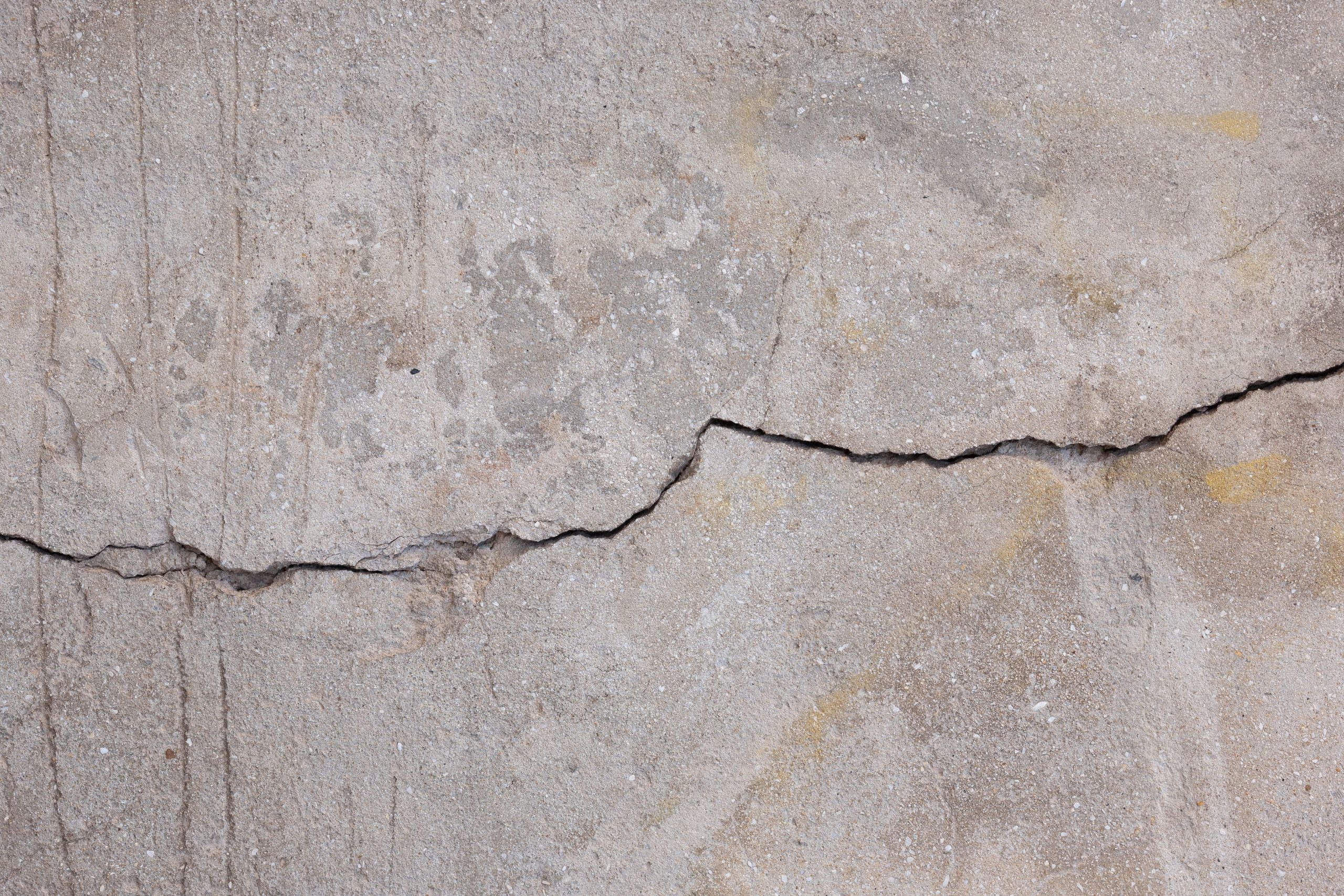
Seller Didn’t Disclose a Basement Leak or Foundation Problem in Alberta — Can You Sue?
Short answer: yes, you may be able to sue — but not every undisclosed basement leak or foundation problem creates a claim against the seller.
In Alberta, the starting point in residential real estate is usually buyer beware, also called caveat emptor. That means a buyer is generally expected to inspect the property and make reasonable inquiries before closing.
But there are important exceptions.
A seller may be liable if the basement leak or foundation issue was hidden, serious, known to the seller, actively concealed, falsely described, or serious enough to make the home dangerous or unfit for habitation.
The important point is simple:
A seller does not have to disclose every problem, but a seller cannot mislead a buyer or hide serious known defects.
Basement Leaks and Foundation Problems Are Fact-Specific
Basement water issues and foundation problems can range from minor to serious.
Examples may include:
-
a small past leak that was repaired;
-
occasional seepage during heavy rain;
-
cracks in basement walls;
-
foundation settlement;
-
bowing or shifting foundation walls;
-
failed weeping tile or drainage;
-
hidden mould or water damage;
-
concealed structural repairs;
-
water entering behind finished basement walls; or
-
foundation defects hidden by drywall, flooring or storage.
The legal analysis depends on the nature of the problem, what was visible before closing, what the seller knew, what the seller said, and what the purchase contract required.
Buyer Beware Still Applies in Alberta
Alberta courts generally start with the principle of caveat emptor.
In plain language, that means the buyer is usually responsible for discovering problems that could have been found through reasonable inspection.
A buyer will usually have a harder claim if:
-
the crack was visible;
-
water staining was obvious;
-
the issue was identified in a home inspection;
-
the buyer waived inspection conditions;
-
the buyer was warned to investigate further;
-
the seller made no false statement; or
-
the problem could reasonably have been discovered before closing.
This does not mean buyers have no rights.
It means the buyer must usually show more than simply:
“I found a problem after possession.”
Patent Defects vs. Latent Defects
The key distinction is often whether the issue was patent or latent.
A patent defect is a problem that is visible or reasonably discoverable through ordinary inspection and reasonable diligence.
A latent defect is hidden and not reasonably discoverable before closing.
This distinction matters because sellers generally do not have to disclose patent defects. But sellers may have obligations where a latent defect is serious, dangerous, concealed or misrepresented.
For example, if a buyer saw water stains in the basement and chose not to investigate, the seller may argue the issue was discoverable.
But if a seller knew that a finished basement wall was hiding a serious foundation crack and deliberately covered it up, the buyer may have a much stronger claim.
When Can You Sue the Seller?
A buyer may have a claim if the seller:
-
knowingly failed to disclose a hidden basement leak or foundation problem;
-
actively concealed the defect;
-
made a false statement about water problems;
-
gave a misleading answer in a disclosure document;
-
covered up evidence of water damage or structural movement;
-
failed to disclose a serious latent defect affecting safety or habitability;
-
was reckless about the condition of the home; or
-
breached an express warranty in the purchase contract.
The strongest claims usually involve evidence that the seller knew about the problem before closing and either concealed it or failed to answer honestly.
The practical rule is this:
The issue is not just whether the basement leaked. The issue is what the seller knew, what the buyer could reasonably discover, and what was said or hidden before closing.
What If the Seller Says They Didn’t Know?
Seller knowledge is often the central dispute.
A seller may deny knowing about the leak or foundation problem. The buyer may need to prove knowledge through surrounding evidence.
Helpful evidence may include:
-
prior repair invoices;
-
waterproofing or foundation contractor records;
-
insurance claims;
-
emails or texts about leaks;
-
old listing photos showing damage;
-
permits or renovation records;
-
evidence of fresh paint, new drywall or new flooring in suspicious areas;
-
testimony from neighbours or previous contractors;
-
disclosure statement answers;
-
inspection reports;
-
evidence of recurring water entry; or
-
expert evidence showing the defect existed before closing.
A seller does not automatically become liable just because a defect existed before possession.
But if the evidence shows the seller likely knew about a serious hidden problem, the buyer’s case becomes stronger.
What If the Seller Covered Up the Problem?
Active concealment can change the analysis.
Examples may include:
-
installing drywall over a known foundation crack;
-
painting over water stains shortly before listing;
-
placing furniture or storage to hide damage;
-
removing evidence of mould or moisture without fixing the cause;
-
concealing prior repair work;
-
failing to disclose known professional advice about foundation movement; or
-
giving incomplete answers that create a false impression.
In Slevinsky v Chambul Estate, the court dealt with a concealed foundation issue where the damage was hidden behind an interior wall. The decision is a useful example of how active concealment can defeat a seller’s reliance on buyer beware: Slevinsky v Chambul Estate, 2014 ABQB 680.
The practical point is simple:
A seller is in a very different position if they merely failed to mention something visible, compared to deliberately hiding a serious defect.
What If There Was a Home Inspection?
A home inspection matters, but it does not always end the case.
If the inspector identified signs of water entry, foundation movement or drainage problems, the seller may argue the buyer was on notice and should have investigated further.
That was important in Kent v MacDonald, where the buyers knew about a foundation crack, prior water ingress and drainage concerns, and the court treated the issues as patent in the circumstances: Kent v MacDonald, 2021 ABCA 196.
But a home inspection is usually visual and non-invasive. It may not reveal:
-
problems hidden behind finished walls;
-
failed waterproofing membranes;
-
concealed structural issues;
-
buried drainage failures;
-
mould behind drywall;
-
past repairs covered by renovations; or
-
foundation movement that requires engineering review.
In some cases, visible water signs may alert a buyer to investigate further. In other cases, hidden construction or waterproofing defects may remain latent despite an inspection.
The question is fact-specific.
What If the Seller Answered “No” to Water Problems?
If the seller completed a property disclosure statement or made written representations about basement leaks, water problems or foundation issues, those answers can become very important.
A seller who chooses to answer disclosure questions must answer honestly.
Problems can arise if the seller says:
-
there have been no basement leaks;
-
there are no known foundation problems;
-
there has been no flooding;
-
there are no structural issues;
-
there are no known defects;
-
all repairs were properly completed; or
-
permits were obtained for relevant work,
when the seller knows those answers are false or misleading.
A disclosure statement is not necessarily a guarantee that the house is perfect.
But false or incomplete answers may support a claim for misrepresentation or breach of contract.
What If the Seller Says the Leak Was Repaired?
A past leak that was properly repaired may be different from an ongoing leak.
But problems can arise if the seller says the issue was fixed when:
-
the seller knew water continued to enter;
-
the repair was temporary;
-
the true source of the leak was never fixed;
-
the repair concealed a larger foundation problem;
-
the seller had been told further work was required; or
-
the statement created the impression that there was no ongoing issue.
The key question is whether the seller’s statement was accurate and complete in the circumstances.
A half-truth can be misleading if it leaves out information that would matter to the buyer.
Does the Defect Have to Make the Home Dangerous or Unfit?
For some nondisclosure claims involving latent defects, Alberta case law focuses on whether the hidden defect makes the property dangerous or unfit for habitation.
That can matter in serious basement and foundation cases.
Examples may include:
-
significant structural foundation movement;
-
unsafe foundation walls;
-
serious mould caused by hidden water entry;
-
unsafe electrical issues caused by basement flooding;
-
chronic water infiltration affecting habitability;
-
failed structural repairs;
-
hidden defects requiring major remediation; or
-
problems that prevent normal use of the basement or home.
Minor seepage or ordinary wear and tear may not be enough.
A serious hidden foundation defect is different.
What If the Contract Says “As Is”?
An “as is” clause can matter, but it does not automatically protect a seller from every claim.
An “as is” clause may make it harder for a buyer to complain about ordinary condition issues or defects the buyer accepted under the contract.
But it may not protect a seller who:
-
fraudulently misrepresented the condition of the property;
-
actively concealed a serious defect;
-
gave false answers in a disclosure statement;
-
breached a specific contractual warranty; or
-
failed to disclose a known dangerous latent defect.
The practical point is this:
“As is” does not usually mean “the seller can lie.”
What If the Basement Was Finished?
Finished basements can make these claims more complicated.
A finished basement may hide:
-
foundation cracks;
-
water staining;
-
mould;
-
improper drainage repairs;
-
structural movement;
-
unpermitted work;
-
damaged insulation;
-
plumbing issues; or
-
previous flooding evidence.
A buyer is usually not expected to tear open walls before closing.
But if there were visible warning signs, such as moisture, odour, staining, uneven floors, cracks, sump pump issues or inspector warnings, the seller may argue the buyer should have investigated further.
The more hidden the issue, the stronger the buyer’s argument that the defect was latent.
What If the Seller Did Unpermitted Basement Work?
Unpermitted work can be important, especially if it relates to basement renovations, structural repairs, plumbing, electrical work or foundation changes.
A missing permit is not always enough on its own.
But it can support a claim if the work concealed serious defects or created unsafe conditions.
In Lewis v Plourde, unpermitted work and hidden defects were part of the court’s analysis where serious problems were not properly disclosed: Lewis v Plourde, 2017 ABQB 235.
The practical rule is simple:
Unpermitted work becomes much more serious when it hides water, foundation, electrical, heating or structural problems.
Can You Sue the Realtor?
Potentially, but it depends on what the realtor knew, said or should reasonably have done.
A realtor may become an issue if they:
-
repeated false information;
-
ignored obvious signs of water or structural issues;
-
failed to pass along material information;
-
made inaccurate statements about the property;
-
failed to recommend further investigation when red flags existed; or
-
misrepresented information in the listing or transaction documents.
A realtor is not automatically liable because a seller failed to disclose a defect.
The buyer would usually need evidence of a negligent or misleading statement, reliance and resulting loss.
Can You Sue the Home Inspector?
Possibly, but inspection claims depend heavily on the inspection contract and the scope of the inspection.
Most home inspections are visual. They often exclude destructive testing, hidden areas, engineering analysis, code compliance and concealed defects.
A home inspector may not be responsible for a defect hidden behind finished basement walls if there were no visible warning signs.
But a claim may be stronger if the inspector missed obvious signs of water intrusion, foundation movement, grading problems or visible structural concerns that should have been identified.
The inspection agreement and report are critical.
What Can You Recover?
If a buyer proves a claim, possible remedies may include:
-
reasonable repair costs;
-
foundation repair costs;
-
waterproofing or drainage repair costs;
-
mould remediation costs;
-
diminution in property value;
-
engineering or investigation costs;
-
certain consequential losses;
-
loss of use in appropriate cases; or
-
rescission in rare and serious cases.
Courts generally try to compensate the buyer for the proven loss.
They do not usually award a windfall or the cost of unnecessary upgrades.
For example, a buyer may be able to claim the reasonable cost of fixing the foundation defect, but not necessarily the cost of rebuilding or improving the entire home.
What Should You Do After Discovering the Problem?
If you discover a basement leak or foundation problem after possession, act quickly and preserve evidence.
Practical steps include:
-
take photos and videos immediately;
-
keep damaged materials if possible;
-
document dates, weather conditions and where water entered;
-
save the inspection report;
-
save the purchase contract and disclosure documents;
-
preserve all emails, texts and listing materials;
-
obtain contractor or engineering reports;
-
ask whether permits exist for basement or foundation work;
-
check for prior repair records;
-
avoid destroying evidence before it is documented;
-
keep invoices and estimates; and
-
create a timeline of what was discovered and when.
The more serious the issue, the more important expert evidence becomes.
For foundation problems, an engineer’s report may be important.
For water issues, a qualified foundation, waterproofing or building envelope professional may be needed.
Do Not Wait Too Long
Limitation periods can apply.
In Alberta, many civil claims are subject to a two-year limitation period based on when the claimant knew or reasonably ought to have known the facts giving rise to the claim.
That does not always mean two years from possession day.
It may depend on when the buyer discovered the defect, when the buyer connected it to the seller’s conduct, and when it became clear the issue warranted legal action.
The practical rule is simple:
If the problem is serious, investigate early and do not let the file sit.
Common Mistakes to Avoid
There are several common mistakes buyers make after discovering basement leaks or foundation problems.
Do not assume the seller is automatically responsible. Buyer beware still matters.
Do not assume you have no claim because you bought the home “as is.” Fraud, concealment and misrepresentation can change the analysis.
Do not repair everything before documenting it. Evidence may be lost.
Do not rely only on verbal statements. Gather written records, reports and photos.
Do not ignore what the inspection report said. It may help or hurt the claim.
Do not wait too long. Limitation periods and evidence problems can arise.
Do not focus only on the existence of the defect. Seller knowledge, concealment and reliance are often the key issues.
What This Means Practically
Three rules are worth remembering.
Not every basement leak or foundation problem creates a lawsuit. If the issue was visible or reasonably discoverable, the buyer may be responsible.
Hidden serious defects are different. A seller may be liable if they knew about a latent basement or foundation problem and concealed it, misrepresented it or failed to disclose a dangerous condition.
Evidence matters. The purchase contract, disclosure statement, inspection report, repair records, photos, expert reports and seller communications may determine whether the buyer has a viable claim.
Speak With an Alberta Real Estate Litigation Lawyer
If you discovered a basement leak or foundation problem after possession, the key question is whether the issue was a hidden defect that the seller knew about, concealed or misrepresented.
A proper review should consider:
-
the purchase contract;
-
the seller’s disclosure documents;
-
the listing materials;
-
the home inspection report;
-
visible warning signs before closing;
-
whether the defect was patent or latent;
-
whether the seller knew about the issue;
-
whether the seller made misleading statements;
-
whether there was unpermitted basement or foundation work;
-
the seriousness of the defect;
-
repair estimates and expert reports; and
-
limitation deadlines.
This article provides general information about undisclosed basement leaks and foundation problems in Alberta. Real estate defect claims are fact-specific and depend on the contract, evidence, seller knowledge and nature of the defect.
Berjak Law
10080 Jasper Avenue, Suite 301
Edmonton, Alberta
780-879-0200


